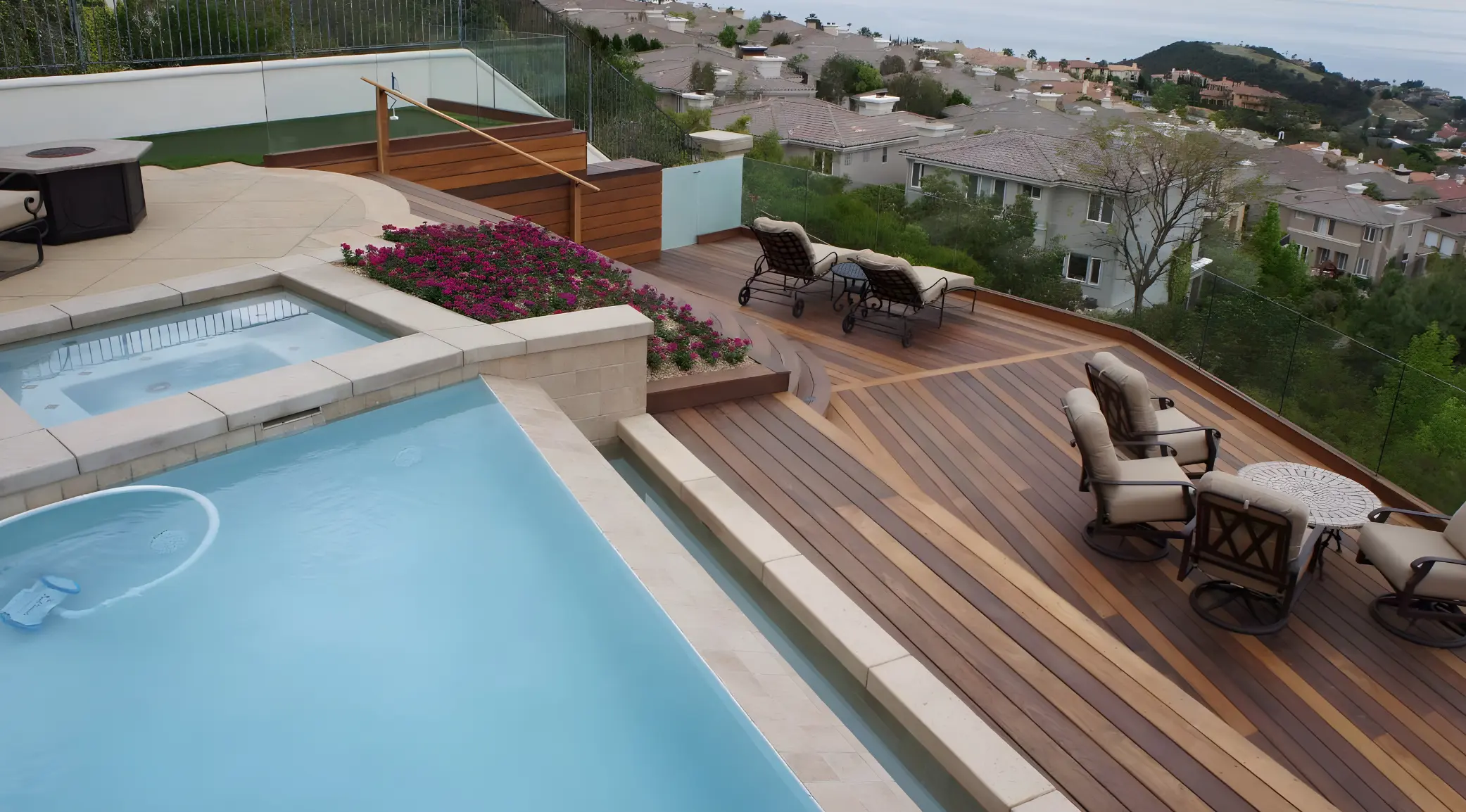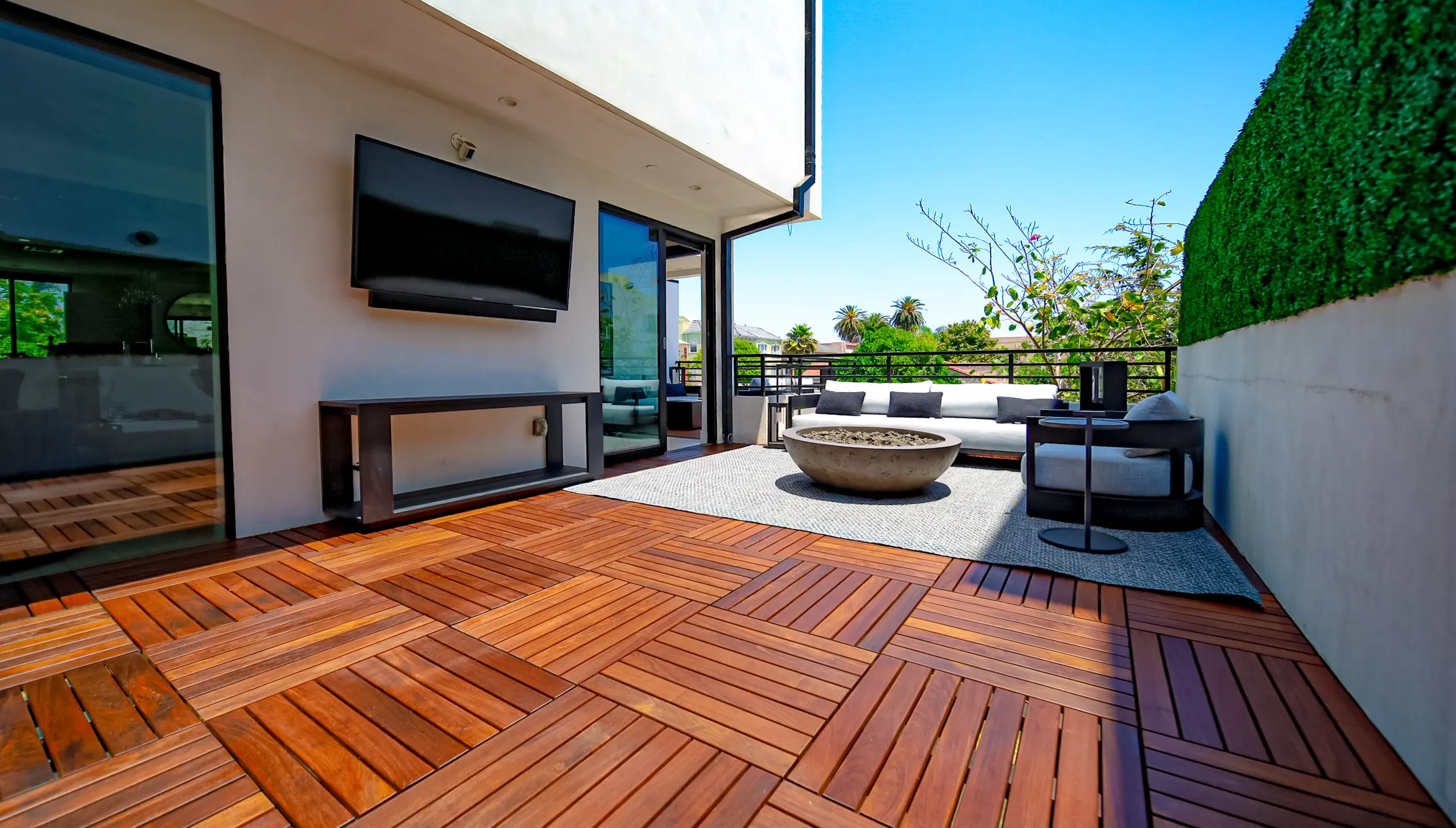
For homeowners, builders, and contractors across Los Angeles, choosing the right decking system is about more than looks-it’s about durability, performance, and long-term value in Southern California’s unique climate. At Beyond Lumber LA, we work daily with decking projects throughout LA and the surrounding areas, helping customers decide whether hidden deck fasteners or traditional face-fastening is the best choice for their specific application.
When designing or upgrading a deck, homeowners and builders alike face an important decision: traditional face-fastened decking or hidden deck fasteners. At Beyond Lumber LA, we frequently help customers weigh the benefits and drawbacks of both options to find the best solution for their project.
Hidden deck fasteners have grown in popularity thanks to their clean, modern appearance- but they’re not always the perfect fit for every deck. Below, we break down the pros and cons of hidden deck fasteners to help you make an informed decision.
Hidden deck fasteners are specialized hardware systems that secure deck boards without visible screws or nails on the surface. They are installed between boards, typically using side grooves, to create a clean, uninterrupted deck surface. This definition-style explanation helps answer one of the most common questions homeowners and contractors search for online.
Hidden deck fasteners are specialized hardware systems designed to secure deck boards without visible screws or nails on the surface. They’re typically installed between deck boards, often using grooves cut into the sides of the decking material.
These systems are commonly used with composite decking, hardwoods, and premium softwoods, and they’re especially popular for high-end residential and commercial projects.


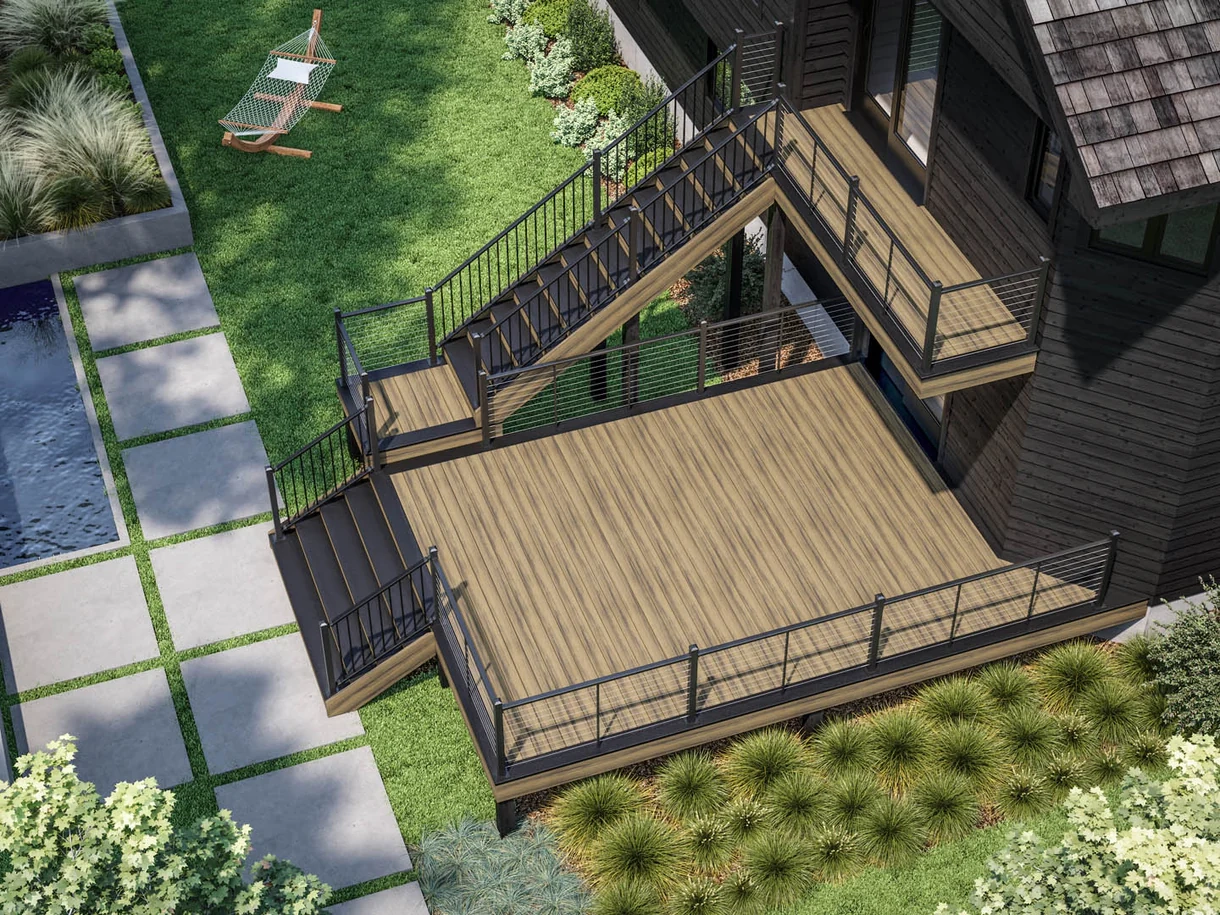
One of the biggest advantages of hidden deck fasteners is aesthetics. Because there are no visible screw heads, the deck surface looks smooth, uniform, and modern- a major selling point for homeowners focused on design.
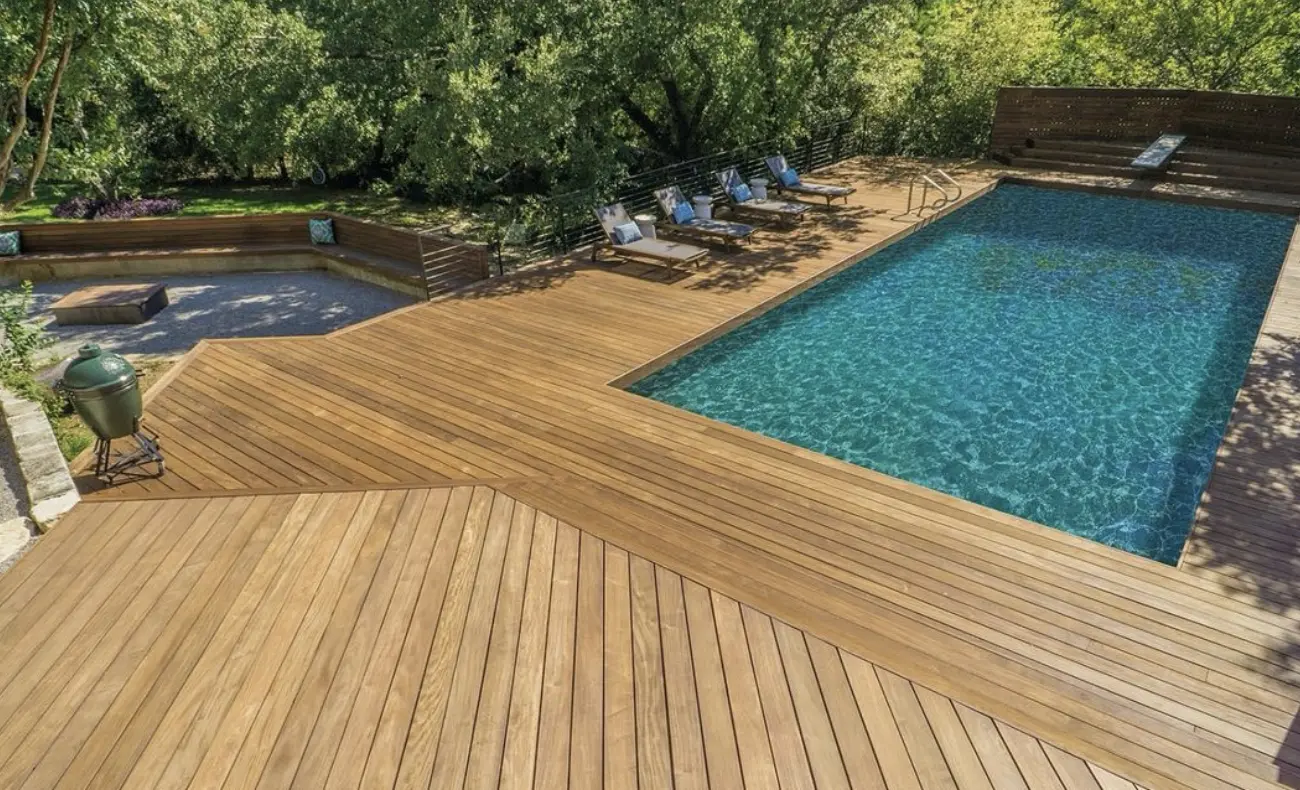
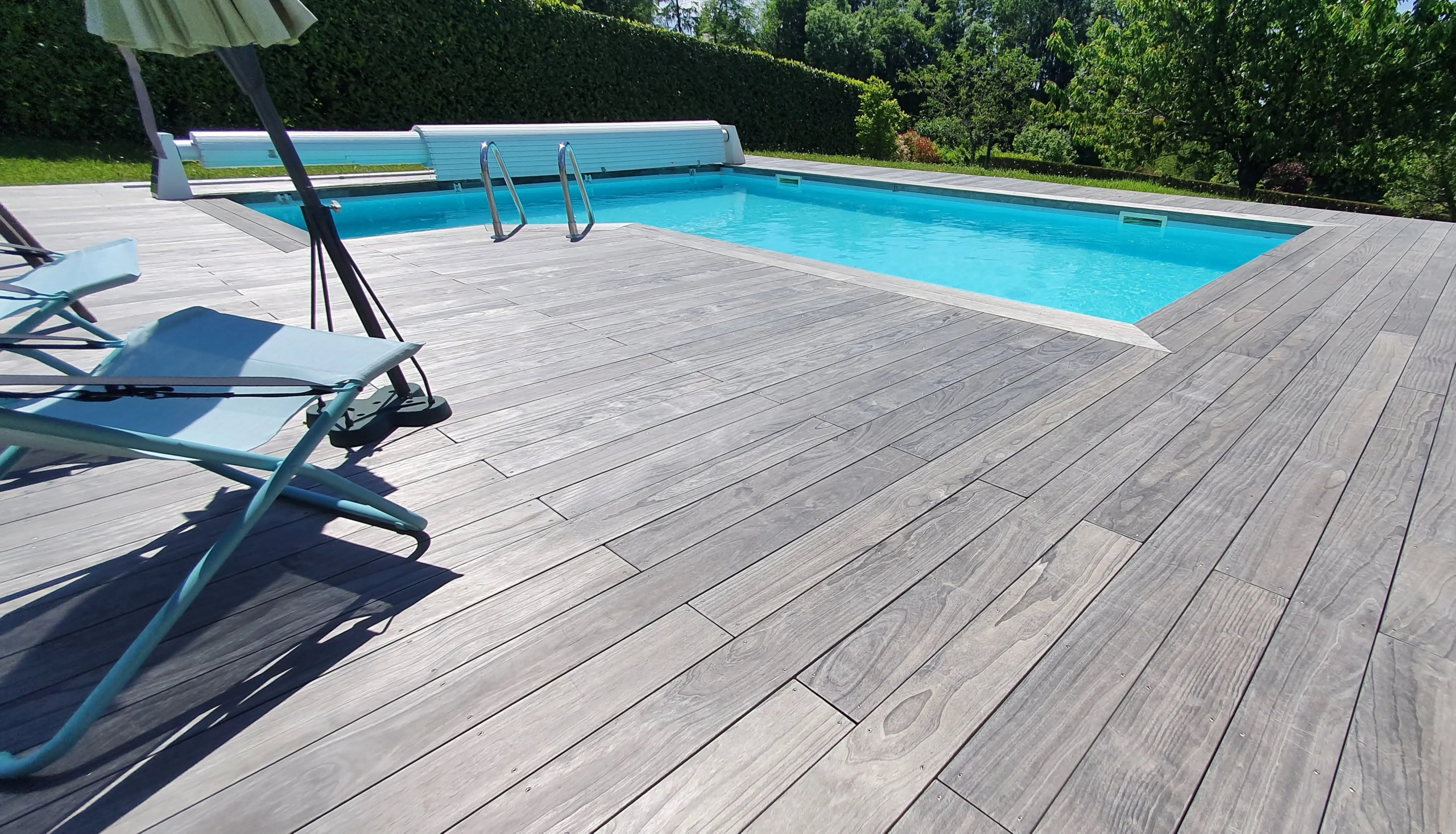
With no exposed screws or nails, hidden deck fasteners create a smoother walking surface that is far more comfortable underfoot. This reduces the chance of stubbed toes, scratches, or snags from raised fastener heads, making hidden fasteners a popular choice for pool decks, rooftop decks, and family-friendly outdoor living spaces where people often walk barefoot.
Traditional face-fastening requires penetrating the surface of each board, which can sometimes lead to splitting, cracking, or water intrusion around screw holes. Hidden deck fasteners limit surface penetrations, helping preserve the appearance of the boards and potentially extending their visual lifespan, especially when paired with high-quality decking materials.
Most hidden fastener systems are engineered to maintain uniform spacing between deck boards. This consistency improves drainage and airflow across the deck surface while also creating a cleaner, more professional-looking finished product.
Hidden fastener systems typically cost more than standard deck screws. For larger projects, this can significantly increase the overall budget.
Tip from Beyond Lumber LA: The added cost may be worth it for premium materials or high-visibility decks, but it’s not always necessary for every application.
Compared to traditional face-fastening, hidden deck fastener systems typically require more time and precision during installation. Boards often need to be grooved and aligned carefully, which can increase labor time and costs- particularly on larger or more complex deck designs.
Deck boards installed with hidden fasteners can be more difficult to remove once they’re in place. This can make future repairs, board replacements, or access to framing more challenging compared to face-fastened decks, which are generally easier to service over time.
Not every decking material performs well with hidden fasteners. Some wood species move more with changes in temperature and moisture and may require face-fastening for added stability. In many cases, a hybrid approach- using hidden fasteners for the main field boards and face-fastening for borders, stairs, and picture frames- offers the best balance of performance and appearance.
Hidden Fasteners vs. Face-Fastening: Which Is Better?
Hidden deck fasteners are better for appearance and barefoot comfort, while face-fastening is often better for structural strength, faster installation, and easier repairs. The best option depends on your decking material, budget, design goals, and how the deck will be used, especially in Los Angeles, where sun exposure and temperature changes can impact wood movement.
There’s no one-size-fits-all answer. The best choice depends on:
At Beyond Lumber LA, we often recommend hidden deck fasteners for premium hardwoods, composite decking, and high-end residential projects, while traditional fasteners may be better suited for structural areas, stairs, and budget-conscious builds.
Hidden deck fasteners offer undeniable aesthetic and comfort benefits, but they also come with higher costs and installation considerations. Understanding the pros and cons ensures your deck performs beautifully- not just on day one, but for years to come.
For Los Angeles decking projects, climate, sun exposure, and material choice all play a critical role in long-term performance. That’s why working with a local supplier matters. At Beyond Lumber LA, we help homeowners, contractors, and designers select the right decking materials and fastener systems for Southern California conditions.
If you’re planning a deck build or renovation in Los Angeles or the surrounding areas, stop by Beyond Lumber LA or reach out to our team for expert guidance on decking, fasteners, and installation best practices.
Hidden deck fasteners are specialized hardware systems used to secure deck boards without visible screws or nails on the surface. They are installed between boards, usually inside grooves, creating a clean, seamless deck appearance while maintaining consistent spacing.
Hidden deck fasteners are worth it for homeowners and builders who value a smooth, modern look and barefoot-friendly surface. While they cost more and take longer to install than traditional screws, many people feel the improved aesthetics and comfort justify the investment.
The main advantages of hidden deck fasteners include a cleaner appearance, consistent board spacing, and no exposed screw heads. The disadvantages include higher material costs, longer installation time, and more difficulty replacing boards in the future.
Hidden deck fasteners can last just as long as deck screws when made from high-quality, corrosion-resistant materials and installed correctly. Their lifespan depends more on the decking material, climate, and installation quality than on the fastener type itself.
Yes, hidden deck fasteners can be used with many wood decking materials, including hardwoods and some softwoods. However, certain wood species may require face-fastening or a hybrid installation method to account for expansion, contraction, and long-term stability.
Hidden deck fasteners work best with composite decking, hardwoods, and grooved deck boards designed for hidden fastening systems. Using compatible materials helps ensure proper spacing, reduced movement, and long-term performance.
Hidden deck fasteners perform well in hot climates like Los Angeles when paired with appropriate decking materials and proper installation. Adequate spacing, airflow, and material selection are critical to managing heat exposure and wood movement in sunny environments.