Composite decking is a manufactured material made from approximately 95% recycled wood fibers and plastic film. Manufacturers design it to mimic the look of wood while eliminating many of the drawbacks associated with natural lumber.
Composite decking can last for decades. It resists cracking, splintering, and structural breakdown, which makes it a safe surface for children as they grow.
Unlike tropical hardwoods, manufacturers engineer composite materials specifically for long-term durability rather than relying on natural density.
Composite decking includes built-in UV protection and impact resistance. Products like MoistureShield® with DiamondDefense™ technology feature polymer-coated surfaces that resist scratches and wear.
Many modern composite boards also stay cooler underfoot. Brands such as TimberTech and MoistureShield engineer boards that remain more comfortable to walk on barefoot during hot summer days.
Composite decking does not absorb moisture, so it will not warp, swell, or rot when exposed to rain or humidity.
Composite decking requires minimal upkeep. It resists stains from food and drinks and cleans easily with water and mild soap.
You do not need to stain, seal, or paint composite boards. This low-maintenance advantage saves time and effort, making composite decking ideal for families with young children.
Textured composite boards also improve traction. Grooved surfaces help reduce slips and falls, adding an extra layer of safety.
Both materials create safe outdoor environments. They eliminate splinters and exposed nails while offering smooth, stable surfaces designed for active family use.
Tropical hardwoods perform exceptionally well in wet, humid, or extreme climates. Their density and natural oils protect against rot and insects.
Composite decking handles diverse climates well and resists moisture and fading. It may need occasional cleaning in harsh environments but remains structurally stable.
Tropical Hardwood Maintenance
Periodic cleaning with mild detergent
Occasional oiling to preserve color
Possible sanding over time
Composite Deck Maintenance
Simple cleaning with water
No sealing, staining, or painting
Minimal long-term upkeep
Composite decking offers the easiest maintenance routine, while tropical hardwoods reward owners with natural beauty and longevity.
Choosing between tropical hardwoods and composite decking depends on your lifestyle, climate, and maintenance preferences.
Choose tropical hardwoods for natural beauty, extreme durability, and long-term performance
Choose composite decking for convenience, safety, and minimal upkeep
At Beyond Lumber, we help families find the right decking solution for their homes. Whether you prefer the elegance of tropical hardwoods or the innovation of composite decking, our team is ready to guide you.
Visit our showroom or contact us for personalized recommendations. Your ideal outdoor space starts here.
As a parent, creating a safe and enjoyable outdoor space for your children is a top priority. When choosing decking for your home, the decision goes beyond looks. You also need a surface that is secure, durable, and easy to maintain.
At Beyond Lumber, we offer two excellent family-friendly decking options: tropical hardwoods and composite decking. Each material offers unique benefits. Understanding the differences between tropical hardwoods vs composite decking can help you choose the best solution for your family’s needs.
Tropical hardwoods come from South American forests and are known for their exceptional density and durability. Builders use them for both interior and exterior applications because they perform well in harsh environments.
Common tropical hardwoods include ipe, cumaru, and garapa, all valued for their strength and long lifespan.
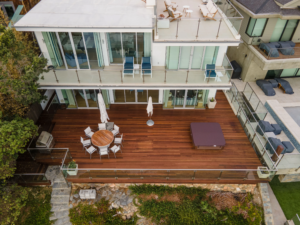
Tropical hardwoods like ipe, cumaru, and garapa are among the densest woods in the world, with natural oils that protect them from external elements. For example, Ipe wood, with a Janka hardness of approximately 3,680, is significantly more resilient than pine, which has a Janka hardness of about 1,570.
This high density, combined with natural oils, gives tropical hardwoods exceptional resistance to warping, cracking, and splintering. These qualities ensure that the wood maintains its shape and smooth surface over time, reducing maintenance needs and creating a safer environment for children.
Cumaru, with its rich reddish tone, offers similar durability and ages gracefully, making it a cost-effective alternative to Ipe. Known as Brazilian teak, Cumaru provides a blend of aesthetic appeal and resilience. Garapa, a golden-brown wood, also stands out for its resistance to rot, decay, and scratches without needing any sealants or oils. Often referred to as Brazilian ash, Garapa ages into a silvery gray and is a more affordable option compared to Ipe. For more details, visit this comparison of hardwood decking.
Tropical hardwood decking also comes in a wide range of thicknesses and widths, allowing for greater flexibility in design to meet your family’s specific needs. This versatility adds to their appeal for creating a durable, customized outdoor space.
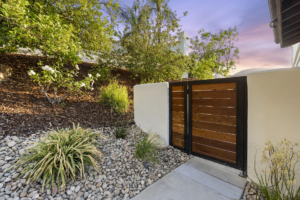
Ipe: Extremely hard, dark-toned, and highly durable
Cumaru: Rich reddish-brown color with similar strength at a lower cost
Garapa: Golden-brown wood that ages to silver-gray and resists rot naturally
Garapa and cumaru offer excellent alternatives for families who want durability at a more accessible price point.
Tropical hardwood decking comes in a variety of widths and thicknesses. This flexibility allows for custom layouts and tailored designs that suit your family’s outdoor lifestyle.
Tropical hardwoods evolved in rainforest climates, which makes them naturally resistant to moisture, insects, and fungal growth. Their dense structure absorbs very little water, reducing the risk of rot and swelling.
These woods also handle intense sun exposure well. Natural oils protect against UV damage, helping boards maintain their strength even in hot, sunny regions like Los Angeles.
For families in humid or wet climates, tropical hardwoods provide reliable long-term performance.
When responsibly sourced, tropical hardwoods offer a sustainable decking option. Their long lifespan reduces the need for frequent replacement and minimizes material waste.
Many tropical hardwoods can also be reused or repurposed at the end of their life cycle. This extended usability makes them an environmentally conscious choice for families seeking durability and sustainability