In today’s construction and architectural landscape, the focus is shifting towards environmentally sustainable and long-lasting materials. One noteworthy advancement in woodworking is thermally modified wood, a practice that has gained traction since the 1990s.
This innovative process involves heating the wood to high temperatures in a controlled environment, which enhances its durability, stability, and resistance to moisture and pests. By improving these properties, thermowood also contributes to sustainability efforts.
Thermally modified wood is a type of natural timber that’s been heat-treated in a controlled environment to improve its performance. Through this process, the wood becomes more durable, stable, and resistant to moisture, decay, and insects — without the use of chemicals. This makes it one of the most sustainable materials in modern architecture and design.
Among the key benefits of thermally modified wood, durability is one of the most impressive. Thermal modification goes through phases to achieve this durability. First, the process involves carefully heating wood to high temperatures, often in the absence of oxygen. During the second phase, the breakdown of hemicellulose, a sugar compound in the wood, significantly reduces the likelihood of fungal growth and enhances rot resistance.
In addition to being resistant to moisture-related issues, these types of products are less appealing to insects. This natural insect resistance provides added peace of mind by reducing the likelihood of costly, time-consuming pest control measures.
A common issue with traditional wood is that variations in moisture levels can cause it to expand and contract, potentially leading to warping and cracking. In contrast, the final phase of the thermal modification process significantly reduces and stabilizes the wood’s moisture content. This improved stability makes it ideal for extreme weather conditions and applications such as saunas or ocean docks.

Thermowood is non-toxic—no chemicals are used in the heat treatment process—and it also exhibits synthetic qualities, boasting superior durability and reduced weight compared to conventional wood counterparts like cedar, cypress, and non-thermally modified pine.
Furthermore, thermally modified woods exclusively use real woods such as ash, ayous, and pine, ensuring that any eventual waste generated remains organic. For more details, refer to Beyond Lumber’s page on thermally modified ayous wood.
One of the standout benefits of thermally modified ayous lumber wood is its low maintenance requirements. Unlike some wood products that necessitate regular staining or sealing to maintain their appearance and structural integrity, thermally modified naturally develops a beautiful silver-gray patina over time. This natural aging process means less effort and time spent on upkeep, making it an ideal choice for those looking to minimize maintenance tasks.
Additionally, due to its enhanced durability, certain species of thermowoods such as ash siding, can last upwards of 60 years. As noted by GBD Magazine, “It’s an investment. With thermowood, you can design something that will give you peace of mind for your whole life.” For further details, refer to Arbor Wood Co.’s blog on the benefits of thermal modification.
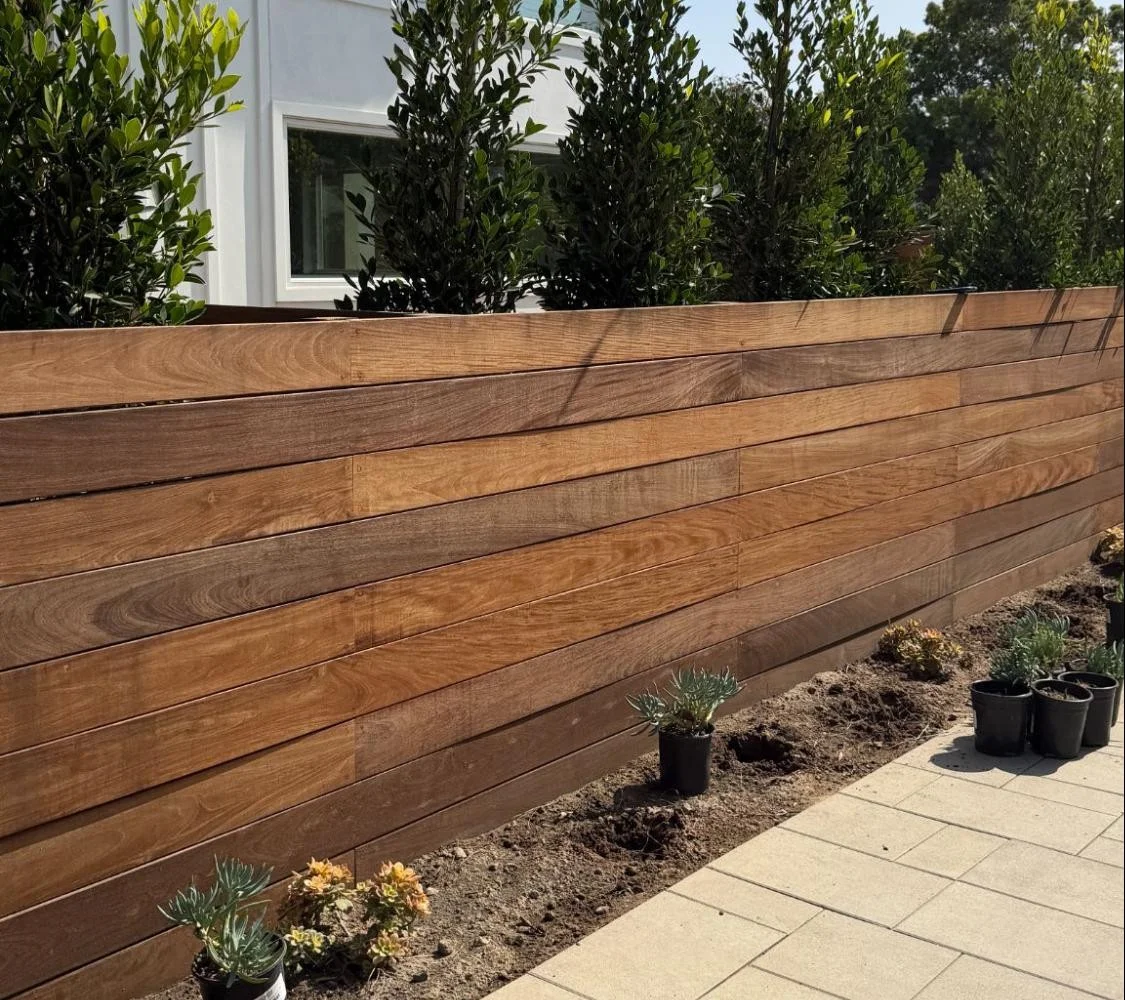
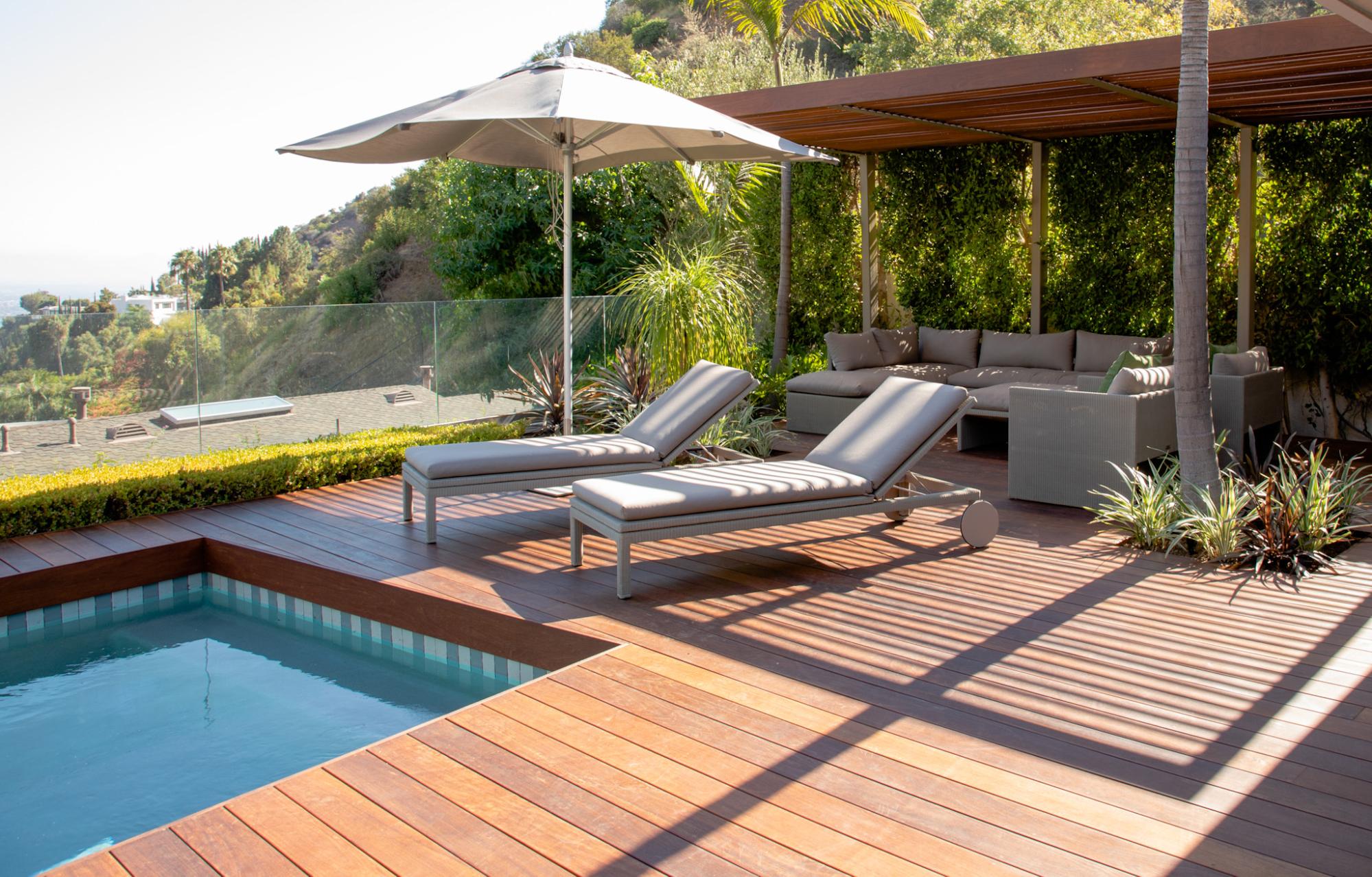
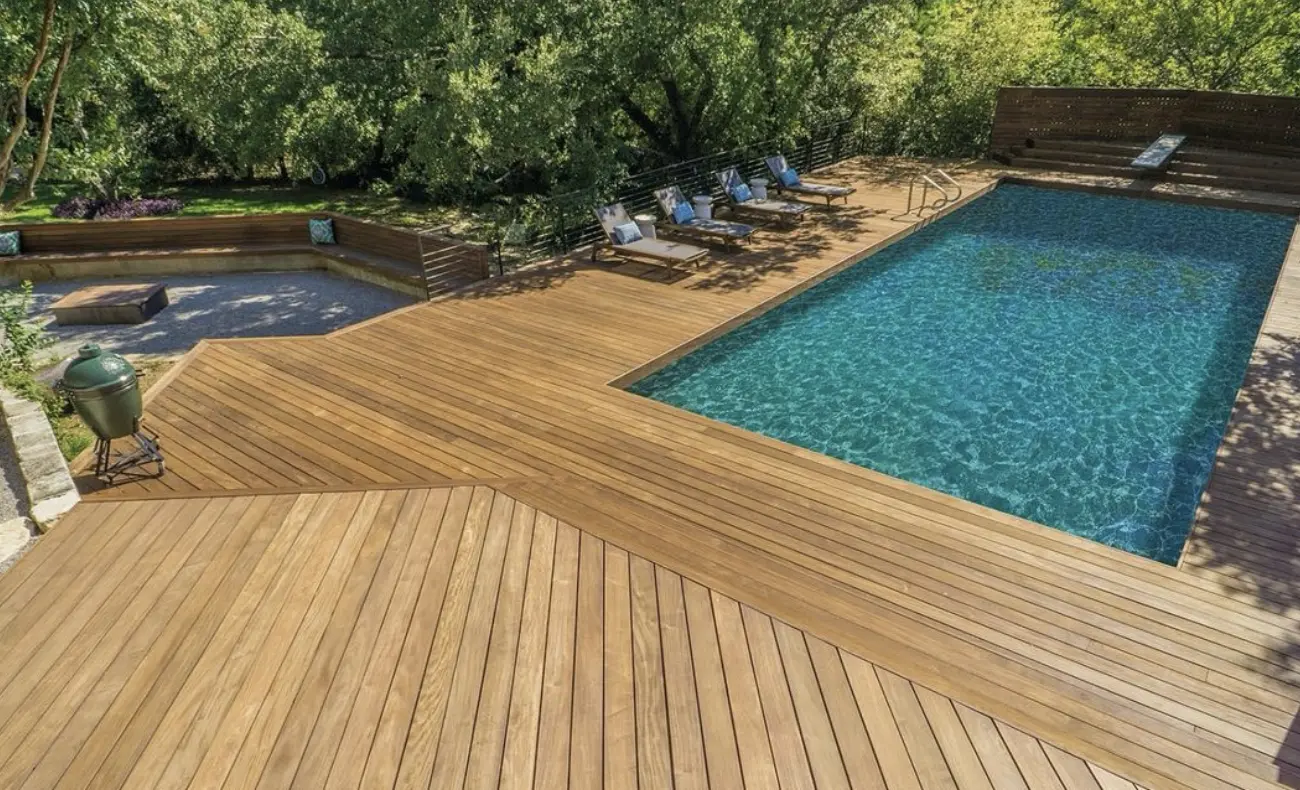
The thermal modification process imparts a rich, uniform color to the wood, ranging from deep brown to chocolate hues. This enhancement accentuates the wood’s natural beauty, giving it a warm and earthy tone. The consistent color throughout the wood makes it highly desirable for various applications, including cladding, decking, and outdoor furniture. The distinctive appearance of termowood, exemplified by Arbor Woods Co.’s offerings, sets it apart from other building materials, highlighting its unique and sophisticated charm.
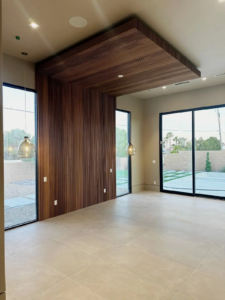
Represents a significant advancement in modern construction and architecture, offering a wide range of advantages for designers, builders, and homeowners alike.
Among the many benefits of thermally modified wood are its enhanced durability, stability, and resistance to moisture, pests, and decay – qualities that make it a superior choice for both exterior and interior applications.
Its eco-friendly nature and timeless beauty add even greater appeal, setting it apart from conventional wood products and redefining what sustainable design can look like.
For those looking to experience these benefits of thermally modified wood firsthand, Beyond Lumber offers a curated selection of high-quality thermally modified options- from ash and ayous to pine – available for projects across the U.S. Visit our Los Angeles lumber yard or contact us online to explore materials built to last a lifetime.